Engine Software Glitch Caused George Russell's Slow Start at Hungarian GP
Unraveling the Mystery Behind Russell's Hungarian GP Start Struggles
The Unfortunate Start to the Hungarian GP for Russell
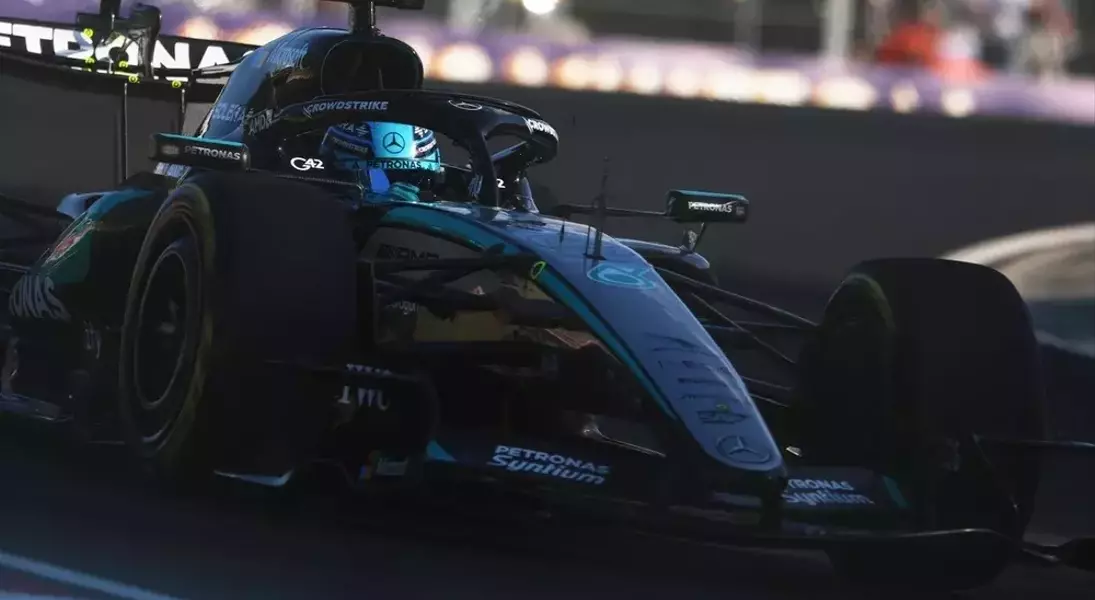
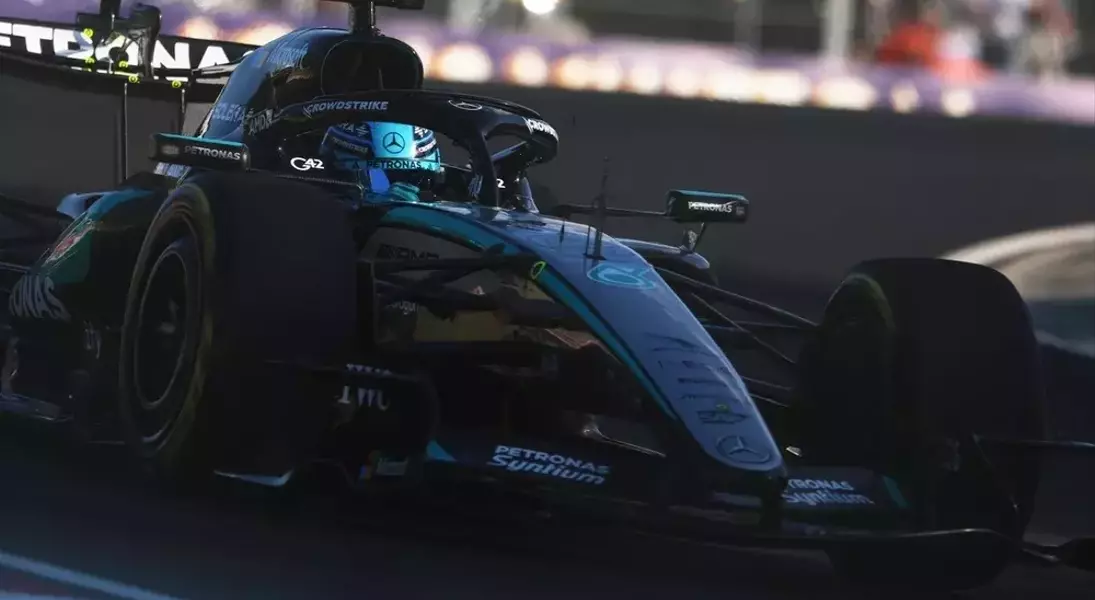
George Russell's Hungarian Grand Prix campaign was marred by an unexpected software issue in his Mercedes Formula 1 engine. This technical glitch led to an uncontrolled surge in engine revolutions while on the starting grid, ultimately activating the anti-stall system and costing him valuable positions at the race's commencement.
A Weekend of Setbacks: From Engine Change to Grid Drama
The problems for Russell began even before the race, with a water leak on Saturday necessitating an engine replacement. However, the subsequent grid incident, which saw his car almost stationary, compounded his frustrations, turning an already difficult weekend into an even more trying experience as the summer break approached.
Initial Misinterpretations and Mercedes' Clarification
Initially, radio communications suggested that Russell might have been at fault, with team members noting a perceived reduction in throttle input during the launch sequence. Yet, subsequent analysis and Toto Wolff's post-race statements clarified that this was a consequence of the underlying software problem, not a driver error. Russell's attempts to manage the erratic engine behavior by adjusting the throttle were a reaction to the malfunction.
Uncontrolled Revs and the Anti-Stall Activation
Russell described how the engine's revs dramatically increased beyond the normal operating range just moments before the start, failing to respond to his throttle adjustments. Onboard footage and telemetry data corroborated this, showing an unstable engine speed progression compared to his teammate, Kimi Antonelli, who maintained consistent revs. Russell's engine reached an unusually high 12800rpm, leading him to reduce throttle. Despite his efforts, the engine's speed fluctuated erratically, and at the critical moment of clutch release, the revs plummeted, engaging the anti-stall system.
A Recurring Issue and the Impact on the Race
The engine's failure to maintain sufficient drive power severely hampered Russell's start, essentially compromising his entire race. Russell also revealed that this particular issue had been observed during pre-season testing, indicating a pre-existing vulnerability within the system. The incident underscores the complexities of modern F1 engineering and the profound impact even minor software glitches can have on race outcomes.